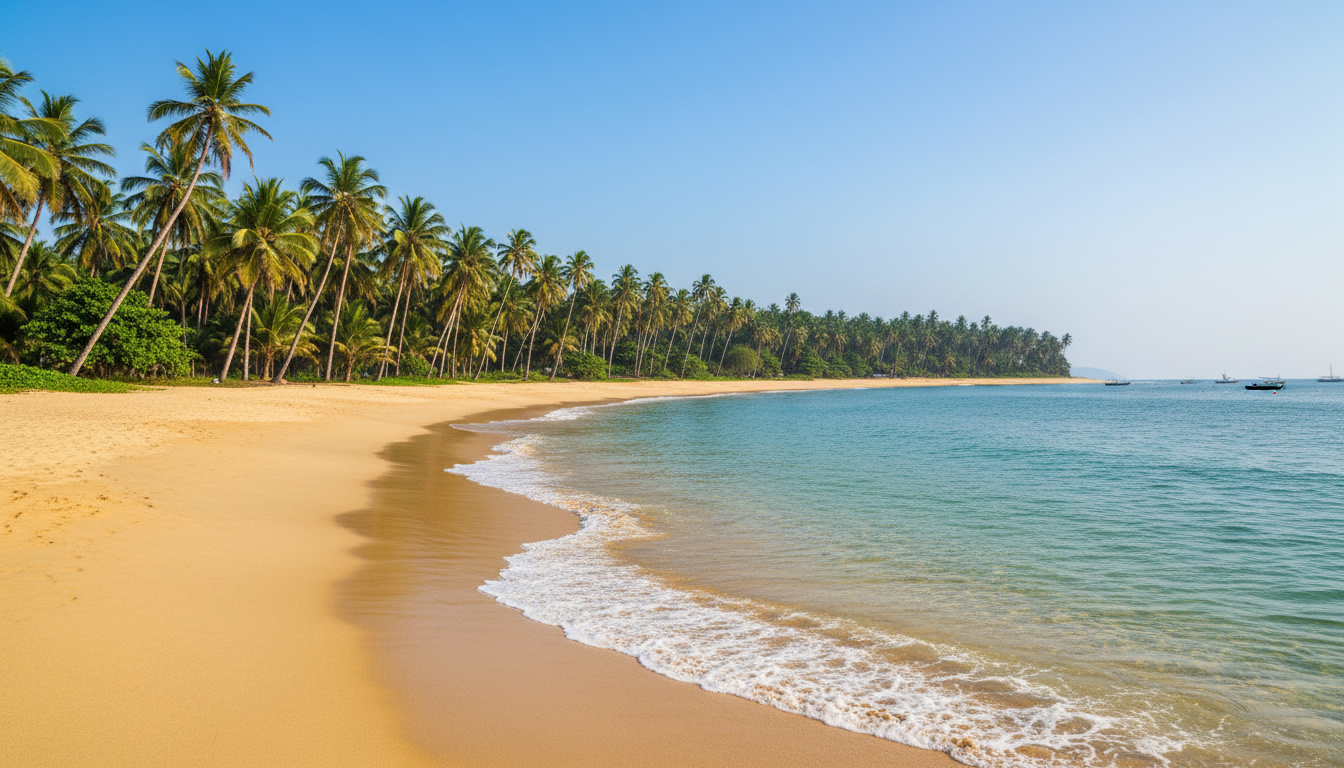
Sri Lanka operates on a dual monsoon system that creates two distinct high seasons, making it a year-round destination with sharp regional variations. December through March brings dry, sunny conditions to the southwest and south coasts, while May through September favors the eastern shores. Understanding this climatic split proves essential for travelers seeking beach weather, wildlife encounters, or budget-friendly rates.
The island’s position near the equator ensures temperatures remain steady between 25°C and 32°C along the coasts year-round, though rainfall patterns shift dramatically by region. Two monsoons—the Yala and the Maha—dictate these patterns, affecting opposite coasts at different times. This geographical reality means there is no single “best” month for the entire island, but rather optimal windows depending on your itinerary priorities.
Coastal hotels adjust pricing dynamically around these patterns, with peak season rates running 50% to 100% higher than low season. Meanwhile, the central highlands around Ella and Kandy maintain cooler temperatures between 15°C and 27°C, experiencing their own microclimate that differs from both coasts. Checking a reliable weather forecast before finalizing dates helps avoid unexpected downpours.
What is the Best Time of Year to Visit Sri Lanka?
Peak Dry Season
December–March
Southwest & South Coasts
74–192mm rainfall
Ideal for beaches & whale watching
East Coast Prime
May–September
Trincomalee & Arugam Bay
8–61mm rainfall
Prime surfing & diving conditions
Avoid Heavy Rains
May–October (West)
October–January (East)
Monsoon storms & rough seas
Minimal beach activity
Shoulder Windows
April & October–November
Transitional weather
20–30% cost savings
Fewer crowds, variable sunshine
Key Insights for Timing Your Visit
- Dual monsoon advantage: When one coast experiences heavy rain, the opposite coast typically enjoys dry conditions, allowing strategic itinerary adjustments.
- Southwest peak: December through March delivers the driest conditions to Colombo, Galle, and Mirissa, with rainfall as low as 74mm monthly.
- Eastern alternative: May through September brings optimal conditions to Arugam Bay and Trincomalee, with some months seeing less than 10mm of rain.
- Wildlife windows: Yala National Park remains accessible year-round, though leopard spotting improves during drier periods.
- Pricing volatility: Accommodation costs fluctuate 20–50% between low and peak seasons, with December through March commanding premium rates.
- Highland consistency: The hill country around Ella and Kandy stays cooler (15–27°C) and mistier regardless of coastal conditions.
- Monsoon overlap: October represents the riskiest month island-wide, as the retreating southwest monsoon often collides with the advancing northeast monsoon.
Monthly Weather Snapshot
| Month | Southwest/South | East/North | Rainfall Pattern | Best For |
|---|---|---|---|---|
| December | 29–30°C | 28°C | Dry start | Beaches, whale watching |
| January | 30°C | 28°C | Driest month | Nationwide travel |
| February | 30–31°C | 29°C | Minimal rain | Wildlife, beaches |
| March | 31–32°C | 30°C | Low | Peak beach weather |
| April | 31–32°C | 31°C | Rising | Shoulder savings |
| May | 30–31°C | 32°C | Monsoon starts SW | East coast surf |
| June | 29–30°C | 32°C | Heavy SW | East peak dry |
| July | 29–30°C | 32°C | Moderate SW | East coast festivals |
| August | 28–30°C | 32°C | Decreasing SW | East prime time |
| September | 29–30°C | 31°C | Transitional | East end season |
| October | 29°C | 31°C | Heavy both coasts | Avoid coastal areas |
| November | 27–29°C | 29°C | Heavy | Transition month |
What is Sri Lanka’s Dry Season?
Sri Lanka does not experience a single national dry season, but rather two regional dry periods determined by the island’s exposure to monsoon winds. The southwest and southern coasts enjoy their dry window from December through April, while the east and north coasts experience opposing conditions, remaining dry from May through September. Audley Travel notes that this dual pattern allows for year-round travel if visitors are willing to switch coasts.
Southwest and South Coast Dry Period
The region encompassing Colombo, Galle, Bentota, Mirissa, and Tangalle experiences its most reliable sunshine between December and March. Rainfall totals drop to 74–105mm during January and February, creating ideal conditions for beach activities and coastal exploration. Temperatures hover between 29°C and 32°C, with humidity remaining manageable due to consistent sea breezes.
East and North Coast Dry Period
Trincomalee, Arugam Bay, and the Jaffna Peninsula peak during the northern hemisphere summer months. June and July often see less than 23mm of rainfall, with August recording as little as 13mm. Selective Asia confirms that these months deliver the east coast’s best surfing conditions and clearest waters for diving.
Travelers planning multi-week itineraries can follow the dry weather by starting on the southwest coast in December, then moving to the east coast by May. This “chasing the sun” approach maximizes beach days while avoiding monsoon rains entirely.
When is the Monsoon Season in Sri Lanka?
Two distinct monsoons govern Sri Lanka’s rainfall patterns, each affecting opposite sides of the island. Understanding their timing and intensity helps travelers avoid washed-out beach holidays and rough sea conditions. Adventure Life emphasizes that these are not mere rainy seasons but full meteorological systems bringing thunderous downpours and choppy seas.
The Yala Monsoon (May–September)
The southwest monsoon, locally called Yala, brings persistent rain to the western and southern coasts from May through September. Colombo and Galle experience their heaviest precipitation during May (307–361mm) and June, with frequent afternoon thunderstorms and rough seas unsuitable for swimming. The highlands also receive significant rainfall during this period, though temperatures remain cooler.
The Maha Monsoon (October–January)
The northeast monsoon, or Maha, affects the east and north coasts from October through January. While less intense than Yala, this system brings steady rain to Trincomalee and Arugam Bay, with November typically recording the highest rainfall totals for the region. October represents a particularly volatile month as the island experiences inter-monsoon turbulence.
Monsoon seasons generate dangerous rip currents and rough surf unsuitable for novice swimmers. Beach red flags are common during these months, and many coastal resorts close water sports operations entirely.
When is Peak Season in Sri Lanka and How to Avoid Crowds?
Peak tourism coincides with the southwest dry season, creating a surge in visitor numbers and pricing from December through March. Intrepid Travel reports that hotels in Galle and Mirissa charge 50% to 100% more during these months, while popular restaurants require advance reservations.
High Season Pricing and Availability
December through February represents the most expensive window for Sri Lankan travel, particularly along the southern coast. International holidaymakers flock to beaches during Christmas and New Year, driving rates to annual highs. Safari lodges near Yala National Park book out months in advance during this period, and coastal road traffic increases significantly.
Strategies for Shoulder Season Travel
April and October through November offer compelling alternatives for budget-conscious travelers. While afternoon showers become more frequent, mornings often remain clear and sunny. Lonely Planet notes that May through September delivers the cheapest rates for east coast travel, with discounts of 20–50% off peak pricing.
Travelers using currency conversion tools will find their budgets stretch significantly further during low season months. East coast accommodation in June and July often includes value-added extras like complimentary meals or upgrades that disappear during peak periods.
How Do Sri Lanka’s Seasons Progress Through the Year?
- December–February: Southwest monsoon withdraws completely. Southwest and south coasts enjoy peak dry conditions with minimal rainfall and calm seas. Enchanting Travels identifies this as the optimal window for nationwide travel.
- March–April: Temperatures rise across the island (reaching 32°C on coasts) while rainfall remains low in the southwest. Humidity increases ahead of the coming monsoon.
- May: Yala monsoon arrives on the southwest coast, bringing heavy afternoon thunderstorms and rough seas. East coast enters its dry phase.
- June–August: Southwest coast experiences persistent rain while east coast enjoys its driest, sunniest period. Arugam Bay surf season peaks.
- September: Transitional month. Yala monsoon begins retreating from the southwest while the east coast maintains good weather before the Maha monsoon arrives.
- October–November: Inter-monsoon period brings unpredictable weather to both coasts. Heavy rainfall possible island-wide, particularly in October.
What is Certain and Uncertain About Sri Lanka’s Weather Patterns?
Established Patterns
- Dual monsoon system alternating between southwest (May–Sep) and northeast (Oct–Jan)
- December–March consistently driest for southwest coast
- May–September consistently driest for east coast
- Temperature stability: 25–32°C coasts, 15–27°C highlands year-round
- October historically wettest month island-wide
Emerging Uncertainties
- Climate change impacts on monsoon timing and intensity remain poorly documented
- Shifting rainfall patterns may intensify precipitation during traditional dry months
- Year-to-year variability in monsoon onset dates appears to be increasing
- Long-term temperature rise affecting highland microclimates
Why Does Sri Lanka Have Two Different Peak Seasons?
Sri Lanka’s position as a teardrop-shaped island suspended in the Indian Ocean exposes it to opposing wind patterns depending on the time of year. From December through March, the northeast trade winds bring dry air to the southwest coast while depositing moisture on the eastern shores. Conversely, from May through September, the southwest monsoon winds reverse this pattern, saturating the western coast while leaving the east in a rain shadow.
This geographic dichotomy creates a unique travel proposition. Unlike destinations with single peak seasons, Sri Lanka offers two distinct high seasons on opposite coasts. The central highlands complicate this further, creating a third microclimate that remains generally cooler and wetter than either coast, with distinct mist patterns and temperature ranges that attract visitors seeking respite from coastal heat.
What Do Travel Experts Say About Sri Lanka’s Seasons?
“The best time to visit Sri Lanka overall is December to March for the southwest and south coasts, with dry weather, peak conditions for beaches, whale watching, and wildlife.”
— Audley Travel
“Regional variations are key due to two monsoons: Yala (May-September, affecting west/southwest) and Maha (October-January, affecting north/east).”
— Selective Asia
Final Thoughts on Timing Your Sri Lanka Visit
The optimal time to visit Sri Lanka depends entirely on which coast features in your itinerary. December through March delivers flawless beach weather to the southwest and south, while May through September opens up the east coast’s surf breaks and dive sites. Budget travelers should target the shoulder months of April and October–November, or commit to the east coast during the northern hemisphere summer when prices drop dramatically. Always verify current conditions through reliable sources before booking, as monsoon patterns can shift slightly year to year.
Frequently Asked Questions
What is the cheapest time to visit Sri Lanka?
May through September offers the lowest accommodation rates, with prices 20–50% below peak season. The east coast provides excellent value during these months, combining dry weather with thin crowds and local festivals.
Is December a good time to visit Sri Lanka?
December marks the start of peak season on the southwest and south coasts, with dry weather ideal for beaches and whale watching. However, it is also the busiest and most expensive month, requiring advance bookings for popular hotels.
When is the best time for surfing in Sri Lanka?
Arugam Bay on the east coast peaks May through August for consistent waves, while Weligama on the south coast works year-round but performs best December through March. Advanced surfers often plan trips to catch both seasons.
Can I visit Sri Lanka during the monsoon?
Yes, but with caveats. The southwest coast experiences heavy rain May through September, while the east coast faces storms October through January. Cultural sites and inland temples remain accessible year-round, though beach activities become limited.
What is the weather like in Sri Lanka’s hill country?
Ella, Kandy, and the highlands maintain cooler temperatures between 15°C and 27°C year-round. December through March offers the driest conditions for hiking and train rides, while October and November bring persistent mist and rain.
When should I avoid visiting Sri Lanka?
October typically brings the heaviest and most widespread rain as the monsoons transition, making it the least favorable month for beach-focused itineraries. However, cultural tours inland remain viable during this period.
Is Sri Lanka good for wildlife year-round?
Yala National Park remains open throughout the year, with leopards and elephants visible in all months. February through April offers optimal sightings with lower vegetation and fewer crowds, while May through September provides drier conditions but hotter temperatures.

Grace Clarke leads fact-checking, source verification and corrections at Aussie Wire Hub.