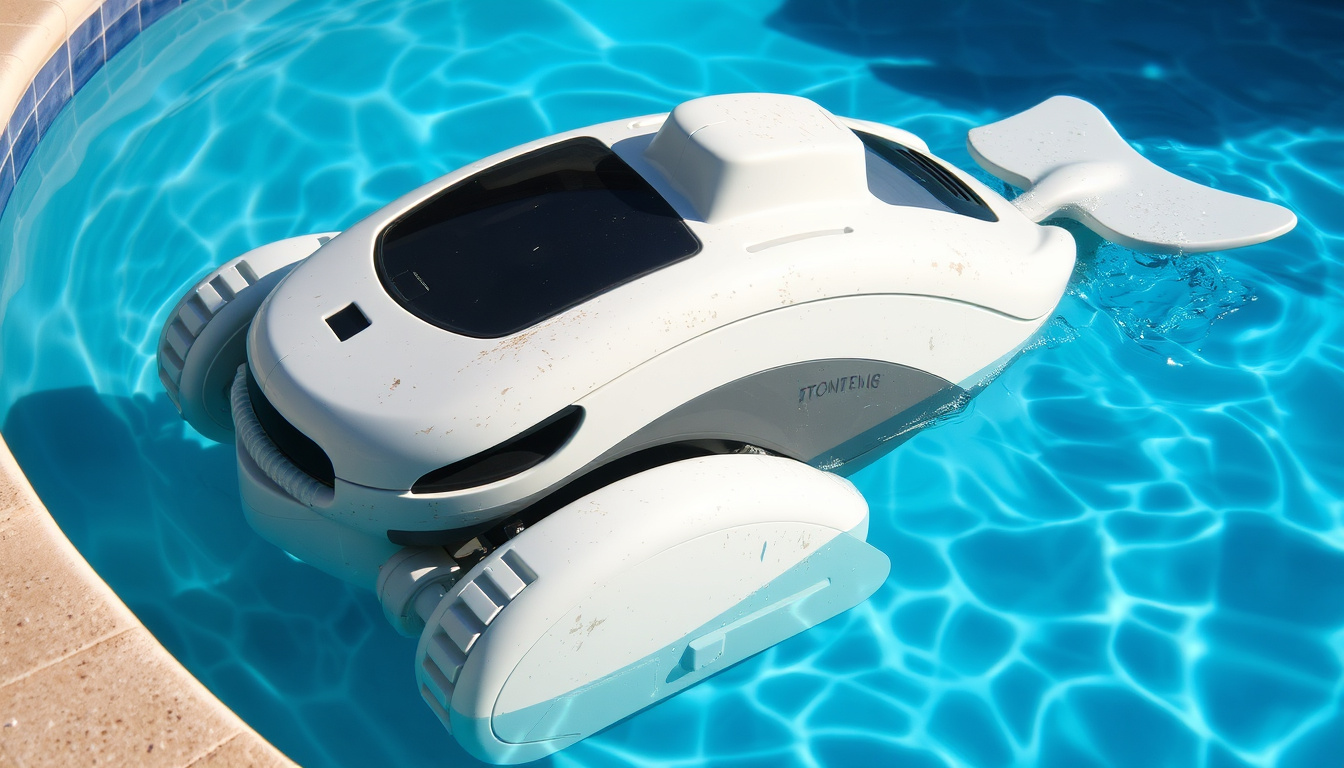
Anyone who’s spent a weekend scrubbing a pool knows the appeal of a robotic cleaner. Dolphin, by Maytronics, has become a household name in this space — but real-world owner experiences reveal a mix of convenience and frustration.
Number of Dolphin models available: 15+ (Cayman, Premier, Liberty series, etc.) ·
Average lifespan: 5–7 years under normal use ·
Power cord length range: 50–60 feet (15–18 m) ·
Warranty period: 2–3 years (varies by model) ·
Top-rated model (2026): Dolphin Premier
Quick snapshot
- Dolphin cleaners are made by Maytronics. (The Pool Nerd)
- Manufacturer recommends not leaving the cleaner in the pool constantly. (PoolPartz (pool parts retailer))
- Exact percentage of units with motor failure within the first 3 years. (Poolbots (pool robot guide))
- Whether battery models (Liberty series) last as long as corded models in real-world use. (YouTube model comparison video)
- Common problems such as track dislodgement and motor failure are reported, but rates vary. (Pool maintenance YouTube channel)
- 1980s: Maytronics launches first Dolphin robotic pool cleaner. (The Pool Nerd)
- 2010: Introduction of Dolphin Premier with advanced navigation. (The Pool Nerd)
- 2020: Liberty series cordless models released. (YouTube comparison video)
- Improved filtration and app control expected in 2026 models. (Robotic Reviews (product testing site))
- Warranty lengths may shift; compare before buying. (Robotic Reviews (product testing site))
Six key specs that define the Dolphin lineup — premium models offer longer warranties and better filtration, but all share the same basic robotic architecture.
| Specification | Detail |
|---|---|
| Brand parent | Maytronics (Israel) |
| First Dolphin model year | 1980s |
| Average price range | $500–$1,500 |
| Warranty coverage | 2–3 years on most models (The Pool Nerd) |
| Power cord length (corded models) | 50–60 ft |
| Battery runtime (cordless Liberty series) | 2–3 hours |
Is Dolphin the best pool cleaner?
How Dolphin compares to other robotic pool cleaners
Three models, one pattern: warranty length often mirrors price tier. The The Pool Nerd (pool equipment reviewer) calls the Premier the “best overall,” while the Cayman is a budget-friendly value option. Meanwhile, a 2026 comparison video shows the Nautilus CC Pro carries only a 12-month warranty, the E30 has 24 months, and the Premier tops out at 36 months.
| Model | Warranty | Waterline cleaning | Best for |
|---|---|---|---|
| Dolphin Premier | 3 years (The Pool Nerd) | Yes (YouTube review) | In-ground, high performance |
| Dolphin Cayman | 2–3 years (est.) | Yes | Budget-conscious buyers |
| Nautilus CC Pro | 12 months (YouTube comparison video) | Yes | Entry-level / smaller pools |
The implication: warranty length is a reliable proxy for build quality and expected longevity. Spending more upfront on a Premier buys three years of coverage; a Nautilus leaves you exposed after just one year.
Top features that set Dolphin apart
- Multi-media filtration (three filter types) on Premier models (YouTube review)
- Commercial-grade motors in the Premier (YouTube review)
- Waterline cleaning standard on most models (YouTube comparison video)
The trade-off: advanced features mean higher repair costs if something goes wrong after warranty expires.
Independent test results and user satisfaction
The Pool Nerd gives the Premier its highest recommendation, but Robotic Reviews (product testing site) notes it can get stuck at pool ladders and struggles with diagonal walls. User forums on YouTube echo similar frustrations with track dislodgement (pool maintenance YouTube channel).
The pattern: Dolphin excels in straight cleaning performance but stumbles on complex pool shapes. If your pool has ladders or unusual geometry, prepare for manual intervention.
Pool owners paying premium prices expect flawless automation. The Premier’s three-year warranty softens the risk, but the real test is whether Maytronics honors claims for motor failure — a common owner complaint after year two.
What are common problems with Dolphin cleaners?
Track and wheel issues
Track dislodgement is the most frequent complaint across owner forums. A pool maintenance YouTube channel attributes this to leaving the cleaner in the pool too often and not removing it during shock treatments.
What this means: periodic track inspection and removal during chemical treatment can prevent the cleaner from getting stuck mid-wall.
Motor and power supply failures
Motor failure after 2–3 years appears repeatedly in user reports. PoolPartz (pool parts retailer) advises rinsing the unit after every use and cleaning the filter every two to three cycles to reduce strain on the motor.
- Signs of failure: no movement, grinding noise, or error codes on the power supply.
- Prevention: avoid running the cleaner during cloudy or high-debris conditions.
The catch: even with care, the motor is a wear item. Budget for a replacement after year three.
Filter clogging and debris escape
Clogged filters allow dirt to re-enter the water, a problem The Pool Nerd notes can cause the bottom of the pool to get dirty again within two days. Checking the impeller monthly and cleaning the filter after each use (as recommended by PoolPartz) can minimize this.
The pattern: filter maintenance directly correlates with cleaning effectiveness. Neglected filters are the leading cause of poor results.
Dolphin cleaners demand more hands-on care than their “set and forget” marketing suggests. Owners who treat the filter and track with monthly maintenance report far fewer problems than those who let them run unattended all season.
The catch: a cleaner that requires regular attention still beats a broken cleaner, but the marketing overpromises on automation.
Can I leave my Dolphin pool cleaner in the pool all of the time?
Manufacturer’s recommendation
Maytronics advises against continuous submersion. According to PoolPartz (pool parts retailer), leaving the cleaner in the water while adding chemicals exposes the cable to harsh compounds, accelerating wear.
Risks of continuous submersion
- Chemical damage to seals and plastic components.
- Increased likelihood of cable tangling (YouTube maintenance guide).
- Motor overheating if the cleaner runs for extended periods without a break.
Best practices for storage
- Remove the cleaner from the pool after each cleaning cycle.
- Rinse with fresh water and store out of direct sunlight.
- Do not leave the power supply plugged in when not in use.
The implication: ignoring this advice can cut the cleaner’s lifespan in half. A five-year robot turned into a two-year expense.
How long does Dolphin pool cleaner last?
Average lifespan based on user reports
The Pool Nerd (pool equipment reviewer) states that with proper maintenance Dolphin cleaners typically last five to seven years. A pool maintenance YouTube channel echoes that range, adding that some units can exceed seven years with exceptional care.
Factors that affect longevity
- Frequency of use: daily cleaning wears components faster than every-other-day sessions.
- Water chemistry: high chlorine or pH imbalances degrade seals and motors.
- Battery models: the Liberty series (cordless) may have shorter lives due to battery degradation (Robotic Reviews).
Signs it’s time to replace
- Severe track wear or frequent dislodgement.
- Motor replacement is no longer economical (cost exceeds 50% of new unit).
- Parts become hard to find (Maytronics does offer replacement parts, but availability varies).
The pattern: a five-year robot that costs $1,500 amortizes to $300 per year — cheaper than a pool service, but only if it lasts.
Why does the bottom of my pool get dirty in 2 days after vacuuming?
Filter and debris collection issues
A dirty bottom right after cleaning usually means the filter is clogged or the debris bag is full. PoolPartz recommends cleaning the filter after every two to three uses; during peak season, after each cleaning may be necessary.
Pool circulation and chemical balance
Even the best robotic cleaner cannot compensate for poor circulation. If the pump timer is too short or the skimmer is clogged, fine particles settle back quickly. The Pool Nerd advises checking chemical levels and running the pump at least 8–12 hours daily.
Dolphin cleaning cycle effectiveness
The Dolphin Premier offers multiple cleaning cycles, but Robotic Reviews notes it may miss the waterline in some conditions and can get stuck on ladders. Selecting the “floor only” cycle for deep cleaning may help, but for persistent dirty-bottom problems, the culprit is often external (pump, chemistry, or filter).
What this means: if your pool goes from clean to cloudy in 48 hours, the robot is likely not the root cause — it’s a symptom of a larger circulation or chemistry issue.
Pool owners who see recurring dirt after vacuuming should examine their filtration system and water chemistry before blaming the Dolphin. A clean filter and balanced water are prerequisites for any robot to deliver consistent results.
Upsides
- Self-contained robotic cleaning – no extra pump required
- Energy efficient (uses less power than suction-side cleaners)
- Quiet operation allows normal pool use during cleaning
- Wide model range for different pool types and budgets
Downsides
- Higher upfront cost ($500–$1,500)
- Common track and motor failures after 2–3 years
- Cord management required; cable tangling is a frequent complaint
- Not truly “set and forget” – filter and track need regular maintenance
How to extend the lifespan of your Dolphin pool cleaner
- Rinse after every use. Fresh water removes chemical residue from seals and plastic. (PoolPartz)
- Clean the filter every 2–3 cycles. Clogged filters strain the motor. (PoolPartz)
- Check the impeller monthly. Blockages can burn out the motor. (YouTube maintenance guide)
- Remove the cleaner during shock treatment. Chemicals accelerate cable and seal wear. (PoolPartz)
- Store out of direct sunlight. UV damage can warp plastic parts over time. (YouTube maintenance guide)
Why it matters: following these steps consistently can push a Dolphin past the seven-year mark; neglecting them often leads to premature failure before the warranty expires.
Confirmed facts vs. what remains unclear
Confirmed facts
- Dolphin cleaners are made by Maytronics.
- Premium models come with three-year warranties (The Pool Nerd).
- Lifespan typically ranges from 5 to 7 years (The Pool Nerd).
What’s unclear
- Exact percentage of units with motor failure within the first three years.
- Whether cordless Liberty series models last as long as corded models in real-world use (Poolbots).
- Whether warranty claims are honored consistently for motor failures after year two.
- Common problems such as track dislodgement and motor failure are reported, but rates vary and may not affect all units (YouTube).
- Manufacturer recommends removing the cleaner from the pool after use, but real-world compliance and impact are uncertain (PoolPartz).
Quotes from the industry
“Dolphin Premier is the best Dolphin robot tested.”
— The Pool Nerd (pool equipment reviewer)
“Most Dolphin problems come from leaving the cleaner in the pool all the time and not removing it during shock treatments.”
— Pool maintenance YouTube channel
“Robotic cleaners must be fully submerged to operate — running them partially exposed can damage the motor.”
— Robotic Reviews (product testing site)
Summary
Dolphin robotic pool cleaners offer real convenience — they scrub walls, trap debris, and run quietly — but they are not the maintenance-free miracle some marketing suggests. Track dislodgement, motor failures after a few years, and the need for regular filter and impeller care are recurring themes. For pool owners spending $500 to $1,500 on a cleaner, the choice is clear: commit to the upkeep routine, or accept that a replacement may come sooner than the warranty suggests.
Frequently asked questions
How often should I run my Dolphin pool cleaner?
For most pools, running the cleaner every other day during peak season provides a good balance between cleanliness and component wear. Daily use is fine if the pool gets heavy debris or is used frequently, but it will shorten the motor’s lifespan.
Does a Dolphin pool cleaner need to be completely submerged to work?
Yes, the cleaner must be fully underwater to function. The pump relies on water for cooling and debris suction. Running it partially exposed can damage the motor.
Can I replace the filter on my Dolphin cleaner?
Yes, most Dolphin models have replaceable filters. Genuine Maytronics filters are available from the manufacturer and authorized retailers. Aftermarket filters fit most models but may have lower filtration efficiency.
What does ‘CEC compliant’ mean for Dolphin cleaners?
CEC compliance means the cleaner meets California Energy Commission efficiency standards. Most Dolphin models sold in the US are CEC compliant, which can affect warranty terms for units used in non-compliant states.
Do Dolphin cleaners work with salt water pools?
Yes, Dolphin cleaners are designed to work in both chlorinated and saltwater pools. However, saltwater can accelerate corrosion of metal components, so more frequent rinsing with fresh water is recommended.
How do I reset my Dolphin pool cleaner?
To reset, unplug the power supply for 30 seconds, then plug it back in. Some models have a dedicated reset button on the power supply unit. If the cleaner remains unresponsive, check for blockages in the impeller or filter.
Is there a mobile app for Dolphin cleaners?
Yes, many newer Dolphin models (including the Premier series) offer Bluetooth or Wi‑Fi connectivity through the Maytronics app. The app provides cleaning cycle control, diagnostics, and maintenance reminders.
Where can I buy genuine Dolphin replacement parts?
Genuine parts can be purchased directly from Maytronics’ website, authorized dealers, or pool supply stores. Amazon also carries a range of replacement filters, tracks, and motors, but confirm compatibility with your specific model.

Grace Clarke leads fact-checking, source verification and corrections at Aussie Wire Hub.