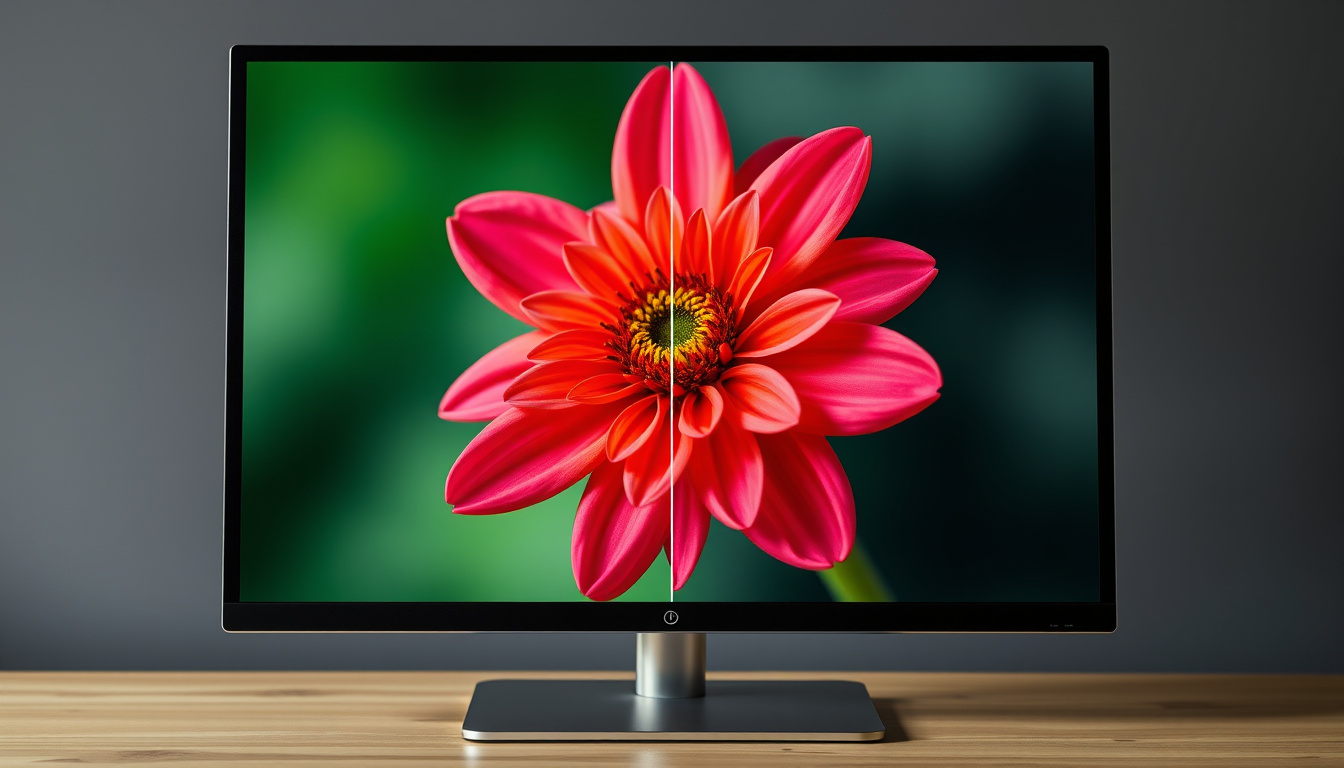
Converting images from PNG to JPG remains one of the most common tasks for web designers, photographers, and everyday users managing digital files. The Portable Network Graphic format produces larger files due to its lossless compression, making JPG the preferred choice when file size and universal compatibility matter more than preserving every pixel detail.
Free online tools now handle batch conversions directly in web browsers, eliminating software downloads and processing files locally for privacy. Understanding the technical differences between these formats, along with proper quality settings, helps achieve the best results without visible degradation.
How to Convert PNG to JPG
The conversion process follows a consistent four-step approach across most online tools. Users upload PNG files through drag-and-drop or file selection, choose quality settings if available, process the conversion, then download individual files or batch archives. Browser-based processing keeps files local, addressing privacy concerns when working with sensitive images.
- JPG is lossy while PNG is lossless, meaning some compression occurs during conversion
- Online tools handle transparency by automatically filling transparent areas with white backgrounds
- Most free converters impose no size limits on individual files
- Batch conversion tools save significant time when processing large volumes of images
- Converting 50+ files typically completes in under two minutes with optimized tools
- Client-side processing prevents files from being uploaded to external servers
| Aspect | PNG | JPG |
|---|---|---|
| Compression | Lossless | Lossy |
| Transparency | Yes | No (alpha flattened) |
| File Size | Larger | Smaller |
| Best For | Graphics/Logos | Photos |
| Quality | Perfect fidelity | Near-identical at 90%+ |
| Editing | Ideal for re-editing | Loss accumulates |
Best Free PNG to JPG Converters
Multiple free online tools support batch PNG to JPG conversion without watermarks, registration, or file size limits. ToolPix and Bulk Image Converter stand out for unlimited batch processing speed, though several other options offer competitive features for different use cases.
Online Batch Converters
Bulk Image Converter supports drag-and-drop uploads for unlimited files, automatic white background fill for transparency, and ZIP downloads for batch results. The tool achieves up to 90% size reduction while maintaining high automatic quality.
ToolPix distinguishes itself with an adjustable quality slider ranging from 90-100%, handling 50+ files in under two minutes without uploading to external servers. Picflow offers ad-free bulk processing with ZIP downloads and maintains quality through browser-based conversion.
Other notable options include Canva’s converter optimized for web and social media compression, Adobe Express handling files up to 40MB with detail preservation, and Pixelied providing over 100 output format variations. png2jpg.com accepts up to 20 files per batch with repeatable processing for larger collections.
Client-side processing means files never leave your browser with most tools. However, always review individual tool privacy policies before processing sensitive images.
Desktop Software Options
For professional workflows requiring precise control, Adobe Photoshop remains the industry standard. Users open PNG files, select File then Export, choose Export As, select JPEG format, set quality to 10-12 out of 12 (translating to 90-100%), then save. Photoshop handles transparency by filling transparent areas with background color choices.
GIMP provides a free open-source alternative for both Windows and Mac. The export process mirrors Photoshop: open the PNG, select File then Export As, choose JPG format, set quality between 90-95, then export. GIMP supports batch processing through scripts for handling large image sets without manual conversion.
PNG vs JPG: Key Differences and When to Convert
Understanding format differences guides decisions about when conversion makes sense. PNG employs lossless compression, preserving exact pixel data through every save, while JPG uses lossy compression that discards some image information to achieve smaller file sizes.
Transparency Handling
PNG supports alpha channel transparency, allowing smooth edges and partial opacity across pixels. This makes PNG ideal for logos, icons, and graphics requiring overlay on varied backgrounds. JPG lacks native transparency support—converting transparent PNGs to JPG automatically fills transparent regions with white or chosen background colors.
File Size Implications
JPG files typically compress to 80-90% smaller than equivalent PNG files. A 5MB PNG often reduces to approximately 500KB at 90% JPEG quality. This dramatic size difference explains JPG’s dominance for web images, email attachments, and storage-constrained scenarios. For more details on image compression principles, readers may explore related conversion guides.
When Each Format Excels
PNG serves editing workflows where files undergo multiple saves and changes, web graphics requiring transparent backgrounds, and situations demanding exact visual fidelity. JPG works best for finished photographs, web content where file size impacts loading speed, email sharing, and archiving where slight quality trade-offs acceptably reduce storage needs.
Retain PNG originals for any images requiring future editing. Convert copies to JPG for distribution and web use to preserve the editable master file while benefiting from reduced file sizes.
Convert PNG to JPG Without Losing Quality
Perfect lossless conversion from PNG to JPG remains technically impossible due to JPG’s inherent lossy compression. However, quality loss becomes invisible to the human eye when using appropriate settings and following best practices.
Optimal Quality Settings
Setting JPEG quality between 90-100% preserves sharp details and accurate colors while maintaining manageable file sizes. Quality settings below 80% introduce visible artifacts, color banding, and softness that become increasingly apparent with photographic content. Most conversion tools default to automatic high quality, though manual adjustment provides finer control.
Avoiding Cumulative Degradation
Each time a JPG undergoes re-compression, quality losses accumulate. Converting PNG to JPG multiple times compounds this degradation significantly. The solution involves converting directly from the original PNG to final JPG format, then avoiding subsequent saves or re-conversions of the resulting file.
Handling Transparency Files
For images with transparency requiring conversion to JPG, pre-processing in Photoshop or GIMP produces superior results compared to automatic background filling. Users can place transparent layers over custom backgrounds before exporting to JPG, maintaining creative control over the final appearance.
Files converted from PNG to JPG should never be re-converted back to PNG for further editing. The lossy compression already applied cannot be reversed, and subsequent PNG saves will not restore lost data.
Platform-Specific PNG to JPG Conversion
Built-in operating system tools and native applications handle basic conversions without additional software downloads. These options suffice for occasional single-file conversions but lack batch processing capabilities found in dedicated tools.
Windows Built-in Tools
Windows Paint and Paint 3D provide straightforward conversion functionality. Users open PNG files, select Save As, choose JPEG format, and adjust quality settings. These tools automatically flatten transparent areas to white backgrounds. Quality settings default to medium-high levels suitable for most sharing purposes.
Mac Preview Application
Mac users access conversion through Preview’s Export function. The quality slider spans from 1-10, with 8-10 recommended for minimal visible loss. Preview handles single-file conversions efficiently and maintains reasonable quality defaults for casual use cases.
Professional Software
Adobe Photoshop provides the most control over conversion parameters, layer preservation, and export options. The Export As workflow offers granular quality adjustment, preview comparison, and format-specific options unavailable through basic tools. GIMP delivers comparable control through its export dialog for users seeking free alternatives.
Understanding Conversion Quality Claims
Certainty exists around some conversion aspects while other factors remain dependent on specific tools and settings. Users benefit from understanding what quality claims mean in practice.
| Established Information | Information That Remains Unclear |
| JPG uses lossy compression by design | Exact artifact visibility varies by image content |
| 90-100% quality yields near-identical visuals | Perceptible differences depend on viewing conditions |
| Transparent areas must be filled during conversion | Background color choice depends on intended use |
| File sizes reduce approximately 80-90% | Optimal settings vary by source image characteristics |
| Converting PNG to JPG always involves recompression | Batch processing speeds vary by browser and connection |
Why Convert PNG to JPG?
The decision to convert depends on specific use case requirements. JPG’s smaller file sizes improve website loading times, reduce email attachment sizes, and decrease cloud storage consumption. Universal JPG compatibility ensures images display correctly across all platforms, devices, and applications without format support concerns.
Web publishing typically favors JPG for photographic content where slight quality trade-offs acceptably reduce file sizes by 80-90%. Social media platforms, email clients, and content management systems all handle JPG universally. For graphics requiring transparency, PNG remains necessary unless background filling produces acceptable results.
The choice ultimately balances file size reduction benefits against quality retention needs. Photography and finished images benefit from JPG conversion. Editing source files and graphics requiring transparency should retain PNG format. Readers exploring various online conversion tools may find additional resources for specific workflow requirements.
Official Standards and Documentation
Technical specifications for both formats originate from established standards bodies. The PNG format specification is maintained by the W3C PNG Working Group, defining compression algorithms, color profiles, and transparency handling. The JPEG format is governed by the JPEG Committee under ISO standards, with JPEG 2000 and later specifications defining modern implementations.
Browser support for both formats follows Mozilla developer documentation standards, with all major browsers handling JPG universally and PNG support varying slightly in alpha channel implementations. These authoritative sources provide detailed technical references for developers and advanced users requiring format compliance verification.
Summary
Converting PNG to JPG reduces file sizes by 80-90% through lossy compression while maintaining near-original visual quality at 90-100% quality settings. Online batch converters process unlimited files locally in browsers without software installation, making conversion accessible for both occasional users and those processing large image collections. Desktop software provides enhanced control for professional workflows requiring specific export parameters.
Transparent PNG files require background filling before JPG conversion, which automatic tools handle by default. Always retain original PNG files for future editing, since JPG re-compression causes cumulative quality degradation. For the best results, choose conversion methods matching specific workflow requirements and prioritize quality settings at 90% or higher.
Frequently Asked Questions
Is JPG smaller than PNG?
JPG files are typically 80-90% smaller than equivalent PNG files due to lossy compression, while PNG employs lossless compression preserving exact pixel data.
How to convert PNG to JPG on Windows?
Windows users can open PNG files in Paint or Paint 3D, select File then Save As, choose JPEG format, and save. Quality defaults to medium-high settings suitable for most purposes.
Can I batch convert multiple PNG files to JPG?
Yes, online tools like Bulk Image Converter and ToolPix handle unlimited batch conversions through drag-and-drop interfaces, downloading results as individual files or ZIP archives.
Does converting PNG to JPG lose quality?
JPG’s lossy compression means some quality reduction occurs, but 90-100% quality settings produce visually near-identical results imperceptible to most viewers.
What happens to transparent PNG areas when converting to JPG?
JPG lacks transparency support, so conversion tools automatically fill transparent areas with white or user-selected background colors.
Are free online PNG to JPG converters safe to use?
Client-side processing tools keep files in your browser without uploading to servers, addressing privacy concerns. Always verify individual tool policies before processing sensitive images.
Should I keep original PNG files after converting?
Yes, retaining original PNG files preserves editable masters. JPG conversion involves lossy compression, and re-editing converted files produces inferior results compared to editing originals.

Liam O'Brien covers Australian politics and public affairs for Aussie Wire Hub.